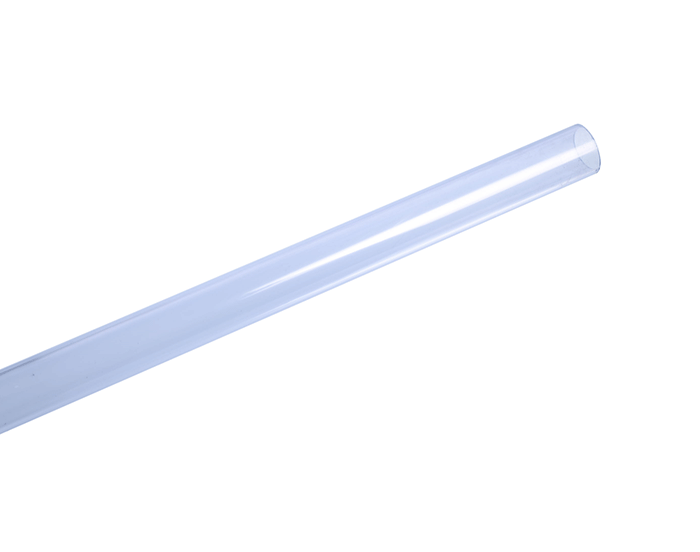
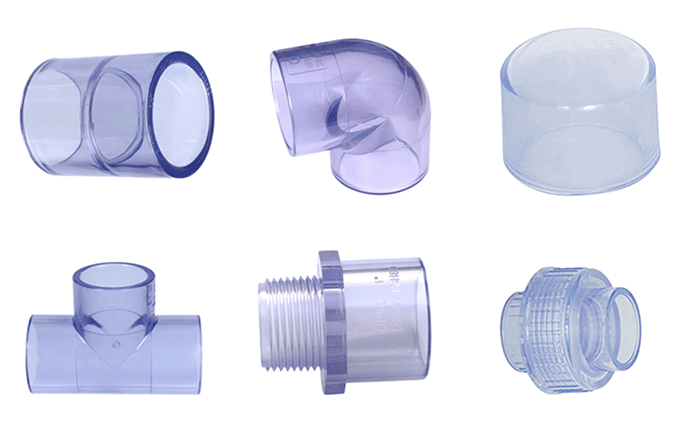
Hydroponic growers need tubing that balances root visibility, light control, and long-term resilience. Clear PVC piping has emerged as a top choice for nutrient delivery systems, vertical grow towers, and NFT (Nutrient Film Technique) channels. This guide covers how to maximize durability and manage light transmission in your hydroponic setup.
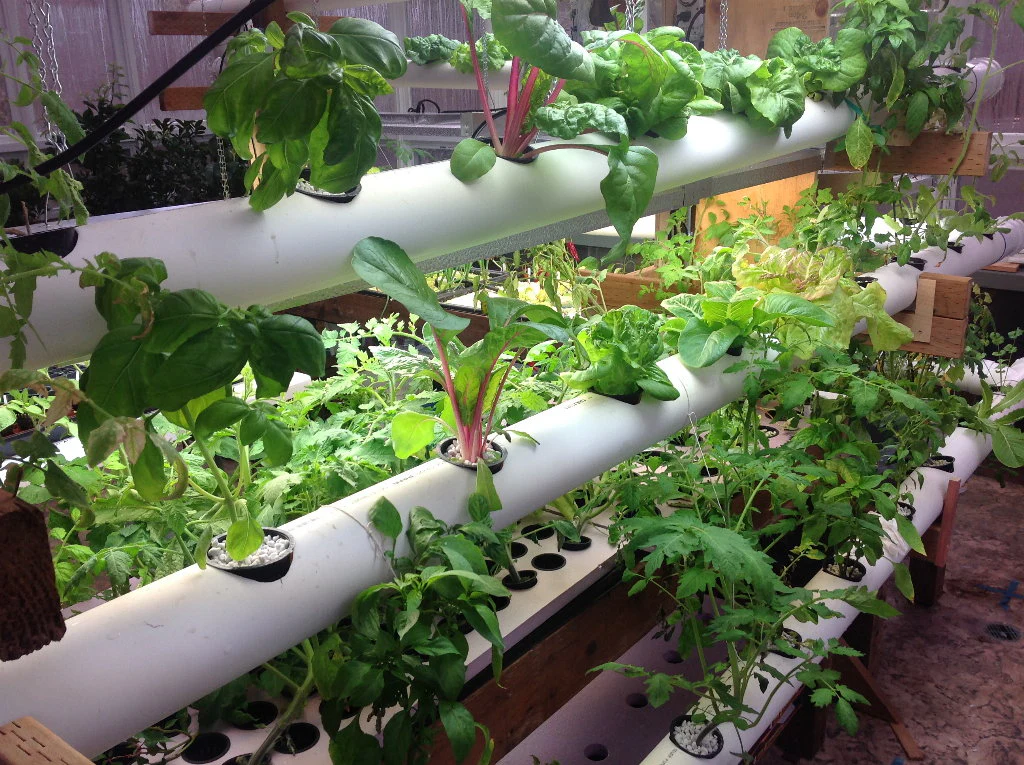
Figure 1: PVC hydroponic NFT system showing clear piping for nutrient delivery and root visibility
Unlike opaque tubing that hides root health, transparent PVC pipe lets growers inspect root development, spot algae buildup, and detect clogs at a glance. The material is also chemically inert to standard hydroponic nutrients (pH 5.5–6.5), ensuring no leaching or corrosion over multiple grow cycles.
Key advantages include:
l Visual monitoring – Observe root color, density, and early signs of disease
l Flow verification – Confirm even nutrient distribution across parallel lines
l Quick maintenance – Identify and clear blockages without disassembly
The biggest challenge with clear hydroponic tubing is photosynthetic algae growth. While clear walls transmit roughly 85–90% of visible light, uncontrolled exposure turns channels green within weeks. Implement these strategies:
Strategic shading – Wrap exterior sections with reflective Mylar or black sleeve where root visibility is unnecessary
UV-stabilized formulations – Select PVC grades with UV inhibitors to prevent yellowing and extend outdoor lifespan
Short light cycles – In indoor setups, position clear runs away from grow lights or use light-blocking end caps
Hydroponic solutions contain salts, chelated minerals, and occasional pH adjusters. Rigid clear PVC pipe withstands continuous contact with calcium nitrate, potassium sulfate, and iron EDTA without degradation. Unlike acrylic, which crazes under salt stress, PVC maintains structural integrity for 5+ years in recirculating systems.
For high-pressure aeroponic misters, schedule 40 or 80 clear PVC handles 60–150 PSI without ballooning or splitting. Always verify pressure ratings before installation.
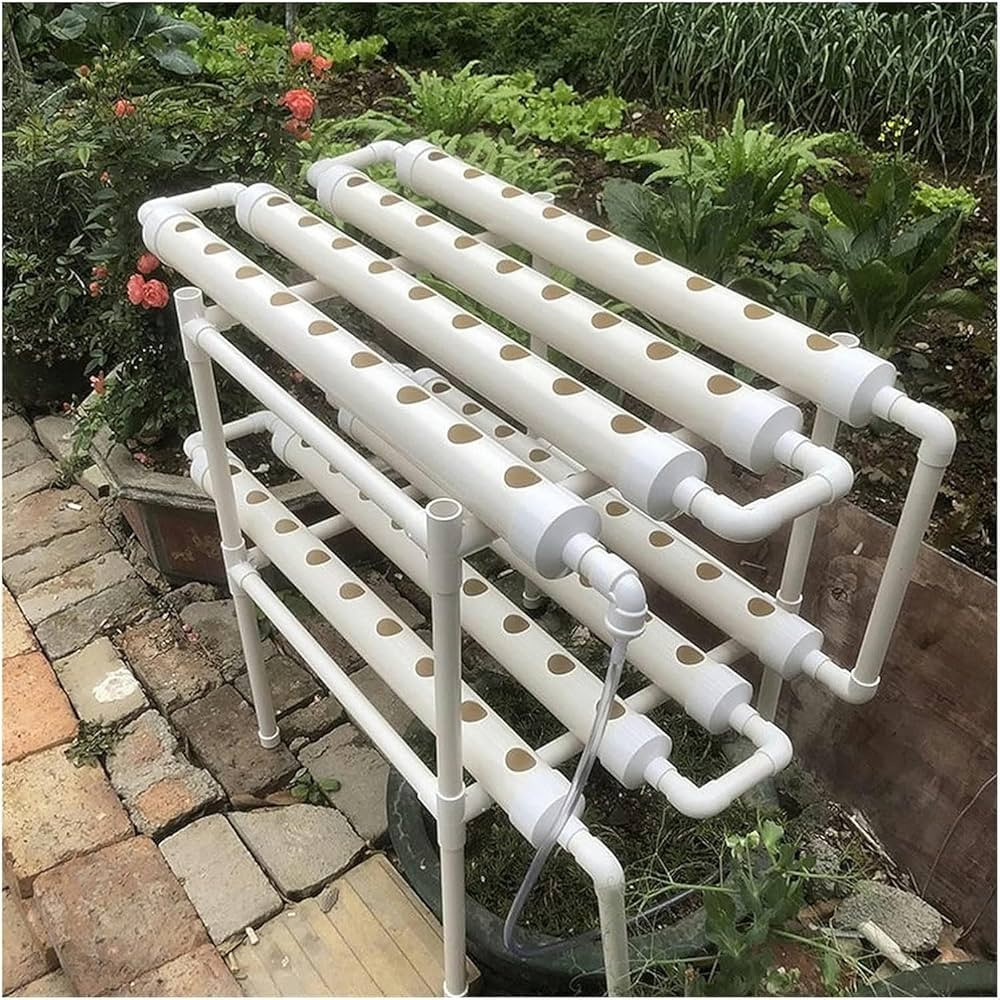
Figure 2: DIY hydroponic system using PVC pipes for vertical growing and nutrient circulation
Use food-grade clear PVC certified for potable water when growing edible crops
Install gentle bends (radius ≥ 4× pipe diameter) to prevent nutrient pooling and sediment traps
Add inline filters (100–200 mesh) upstream of clear sections to reduce particulate clouding
Secure pipes with UV-resistant clamps every 24 inches to prevent sagging and algae-harboring pockets
Clear PVC piping gives hydroponic operators the visibility they need without sacrificing chemical resistance or mechanical strength. Pair smart light management with quality UV-stabilized grades, and your transparent nutrient lines will deliver reliable performance season after season.

 English