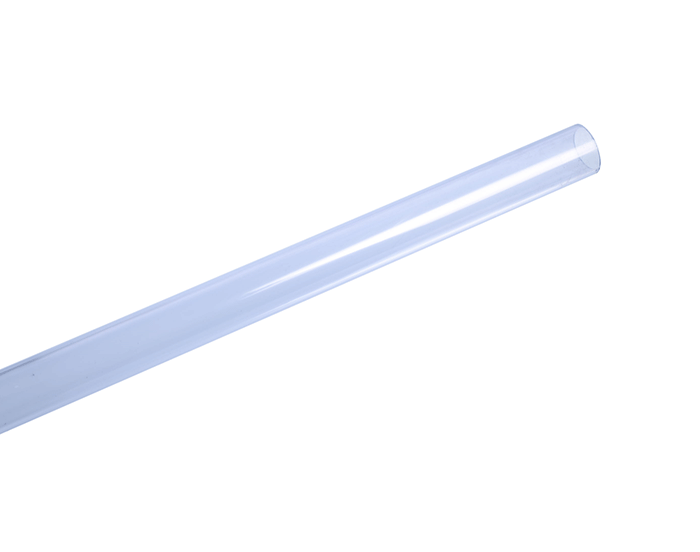
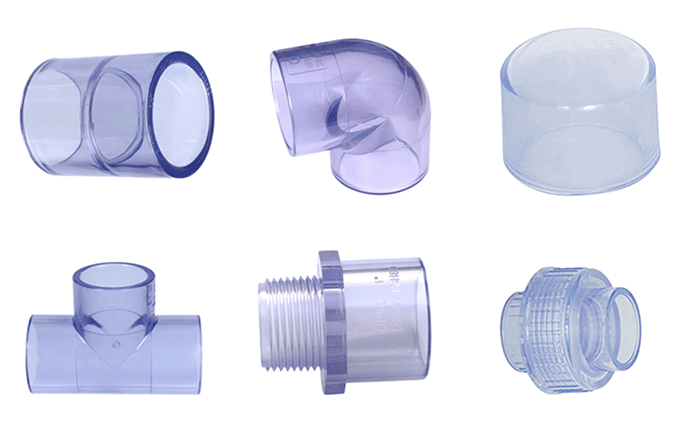
When selecting clear tubing for industrial, architectural, or DIY applications, buyers often compare transparent PVC pipe with acrylic tubes. While both materials offer optical clarity, they differ significantly in cost, mechanical strength, and weather resistance. This guide breaks down the key factors to help you choose the right solution for your project.
Clear PVC pipe is generally the more economical option. PVC resin is mass-produced and widely available, keeping raw material costs low. Acrylic, derived from petroleum-based monomers, carries a premium price tag—often 30–50% higher than equivalent PVC dimensions. For large-scale installations or budget-sensitive projects, transparent rigid PVC pipe delivers substantial savings without sacrificing visibility.
PVC excels in impact resistance and flexibility. It withstands accidental knocks, vibration, and moderate pressure fluctuations, making it ideal for fluid handling and structural framing. Acrylic, while rigid, is brittle and prone to cracking under impact or stress concentration. If your application involves mechanical handling or outdoor exposure to wind loads, clear PVC tubing offers superior toughness.
One critical distinction lies in ultraviolet stability. Standard acrylic tubes degrade under prolonged sun exposure, turning yellow and losing clarity. Specialized UV-resistant acrylic grades exist but add cost. In contrast, high-quality transparent PVC pipe formulations include UV stabilizers that prevent yellowing and maintain optical performance for years outdoors. For greenhouses, outdoor displays, or marine applications, PVC provides better long-term UV resilience.
PVC resists a broad range of acids, alkalis, and salts, outperforming acrylic in aggressive chemical environments. It also handles temperatures up to 60°C (140°F) continuously. Acrylic softens around 80°C but lacks PVC's chemical inertness, limiting its use in industrial fluid systems.
Choose clear PVC pipe when you need affordability, impact strength, UV stability, and chemical resistance. Opt for acrylic only when maximum rigidity and premium optical clarity are paramount, and the budget allows. For most transparent piping needs, PVC remains the practical, cost-effective choice.

 English